
Literary Roadhouse Podcast: Edith Wharton’s “Roman Fever.”
December 20, 2018 § Leave a comment
 A heartfelt thanks to Anais Concepción, the smart & effervescent host of Literary Roadhouse, a weekly podcast on a public-domain short story. It’s a fun and lively podcast with the noble mission of celebrating the short story form, and I had a very good time hosting a recent episode on Edith Wharton’s masterpiece, “Roman Fever.” You can listen to the podcast here—and to a wide-ranging follow-up conversation on video between Anais and me about nature, Will Poole’s Island, a career combining writing and travel, National Geographic, Cuba, my goals of as a teacher of writing, the need to break writing “rules,” new writing projects, history as a foreign country, escapism, and more. Watch the video interview here.
“Diamondback Mountain” out at Craft Literary
December 14, 2018 § Leave a comment
 Happy to report the release of “Diamondback Mountain,” the final previously unpublished story in the fiction collection A Field Guide to Murder & Fly Fishing. The folks at Craft have done a beautiful job and I’m happy that they’re hosting this story, which holds a great deal of personal significance for me, as explained in the author’s note. In the story, a young ski instructor at a remote hotel in 1930s Colorado falls in love with a rising Italian movie star, but fate conspires to keep the couple apart. Read the full story here.
Radio interview: The Round Schoolhouse & the legend of Thunderbolt
December 10, 2018 § 2 Comments
V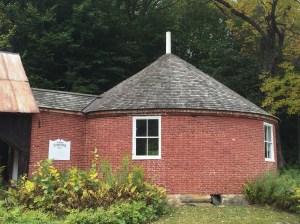 ery enjoyable conversation this morning with Olga Peters of the Green Mountain Mornings radio show on WKVT Radio 100.03 FM about the local landmark and the historical characters that inspired my novel-in-progress, The Confession of Michael Martin, one of fifteen works selected for the 2018 long list of the Historical Novel Society’s New Novel Award. HNS describes it as “A novel of adventure, friendship, and immigrant life inspired by the true story of early American outlaws that is intriguingly different from Hollywood mythologies.”
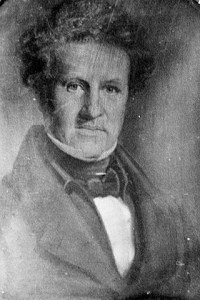 The history behind the story is also of local interest because it represents a landmark in early Vermont and Brattleboro publishing. It’s of general interest because it’s an early entry in the great American outlaw myth, and because of what it tells us about the power of narrative to grip the human imagination and about the blurred lines between what we call history and what we call fiction. I’ll be presenting the research in a roundtable discussion sponsored by the Brattleboro Words Project at 6pm this Thursday, December 13, at 118 Elliot Street in Brattleboro. If you’re in the neighborhood, please come by!
If you’re interested in the topic but can’t make the discussion, listen to the 10 minute interview here. My heartfelt thanks to Lissa Weinmann of The Brattleboro Words Project and Olga Peters (feel better soon, Olga)!
 Tim Weed